


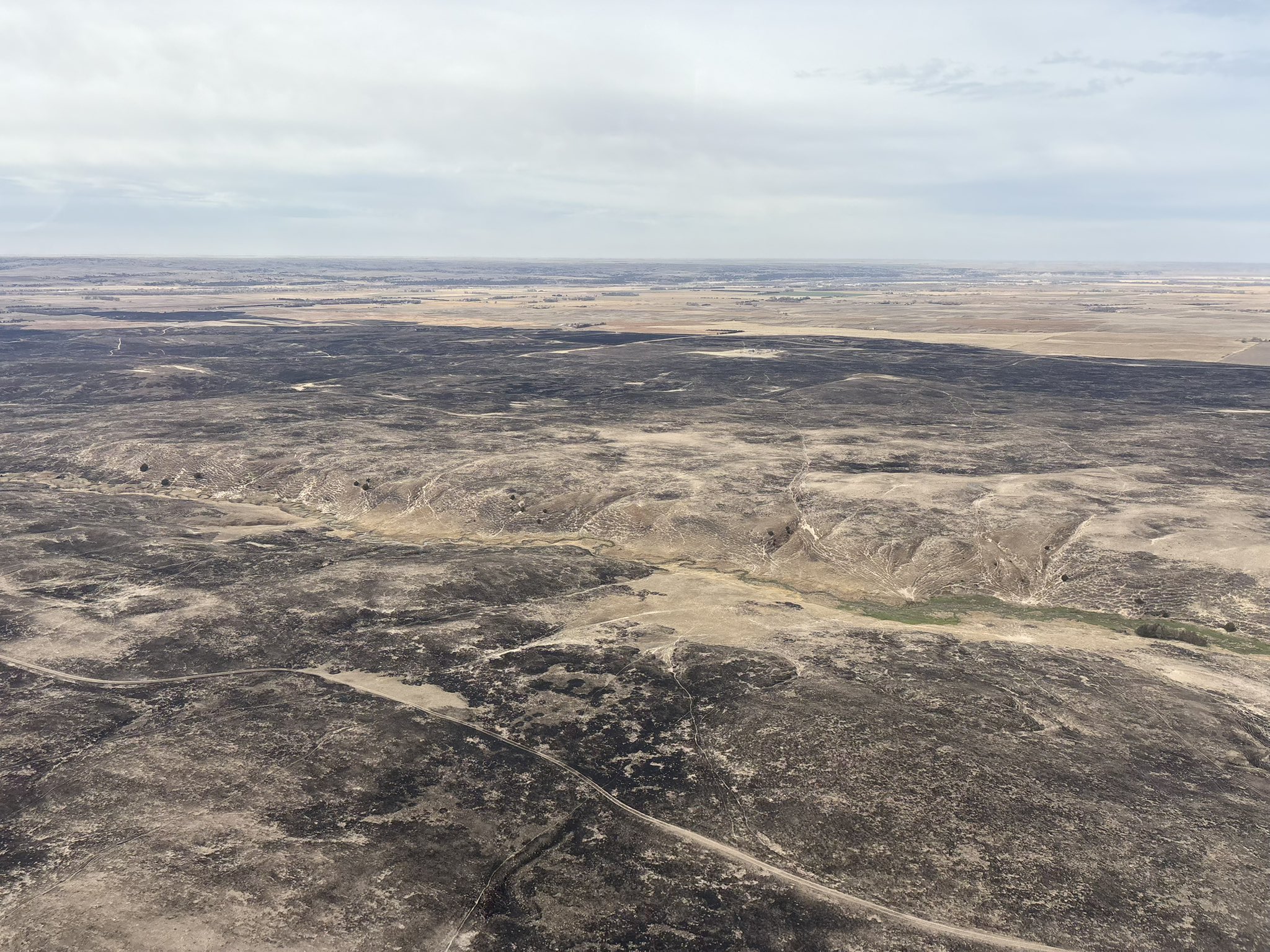
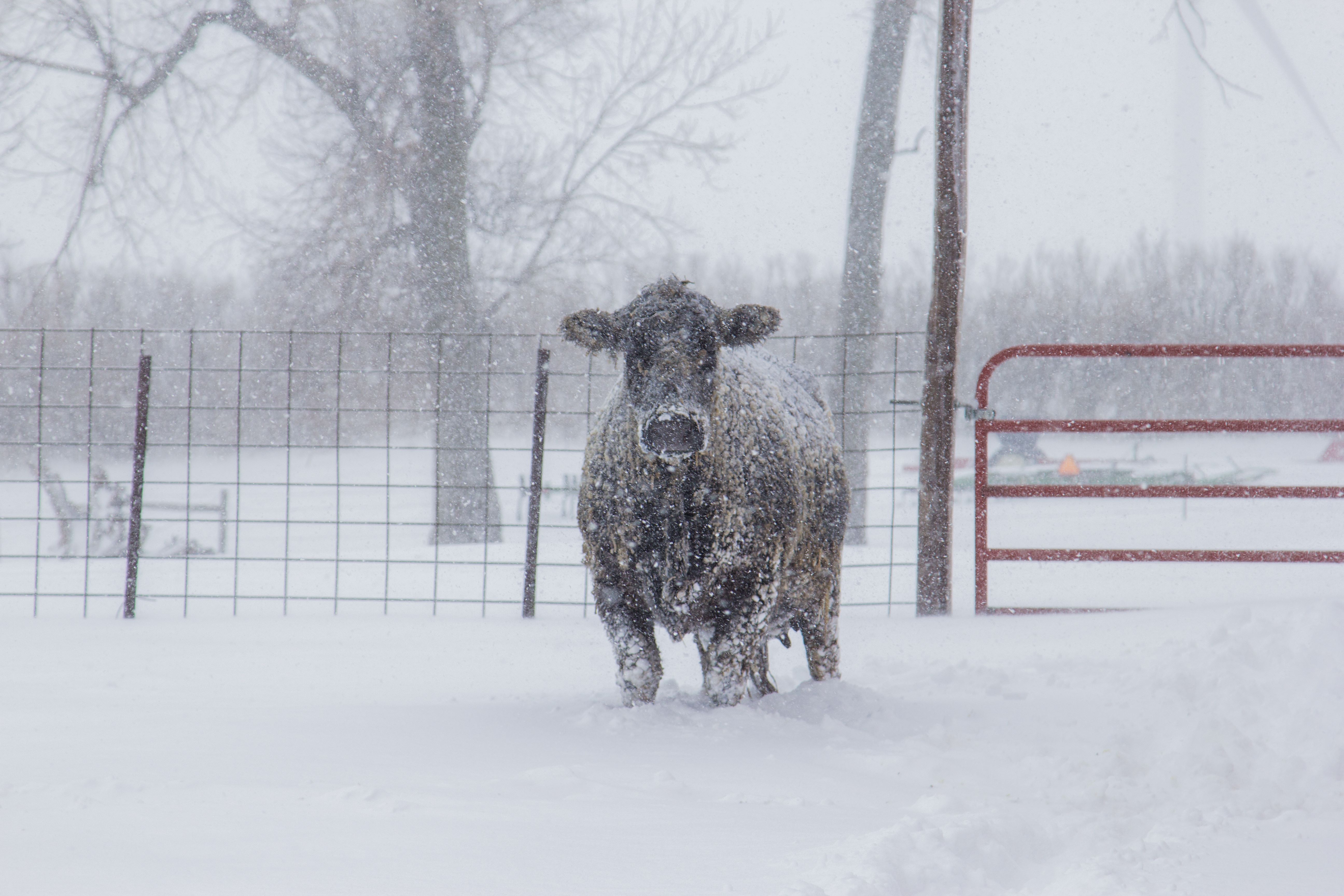
Wildfires, winter storms and other natural disasters are taking their toll on our nation’s agricultural producers. Across the country, we see what natural disasters do to farms, ranches, and rural communities through crop and livestock losses, displaced livestock, damaged infrastructure, and disrupted livelihoods putting generational family operations, their way of life and rural communities at risk.
I know what it means when a natural disaster event hits your operation. It’s not just your land or livestock; it’s your way of life. Through our Farmers First approach, USDA is committed to timely delivery of the technical and financial support you need to recover and get back on your feet.
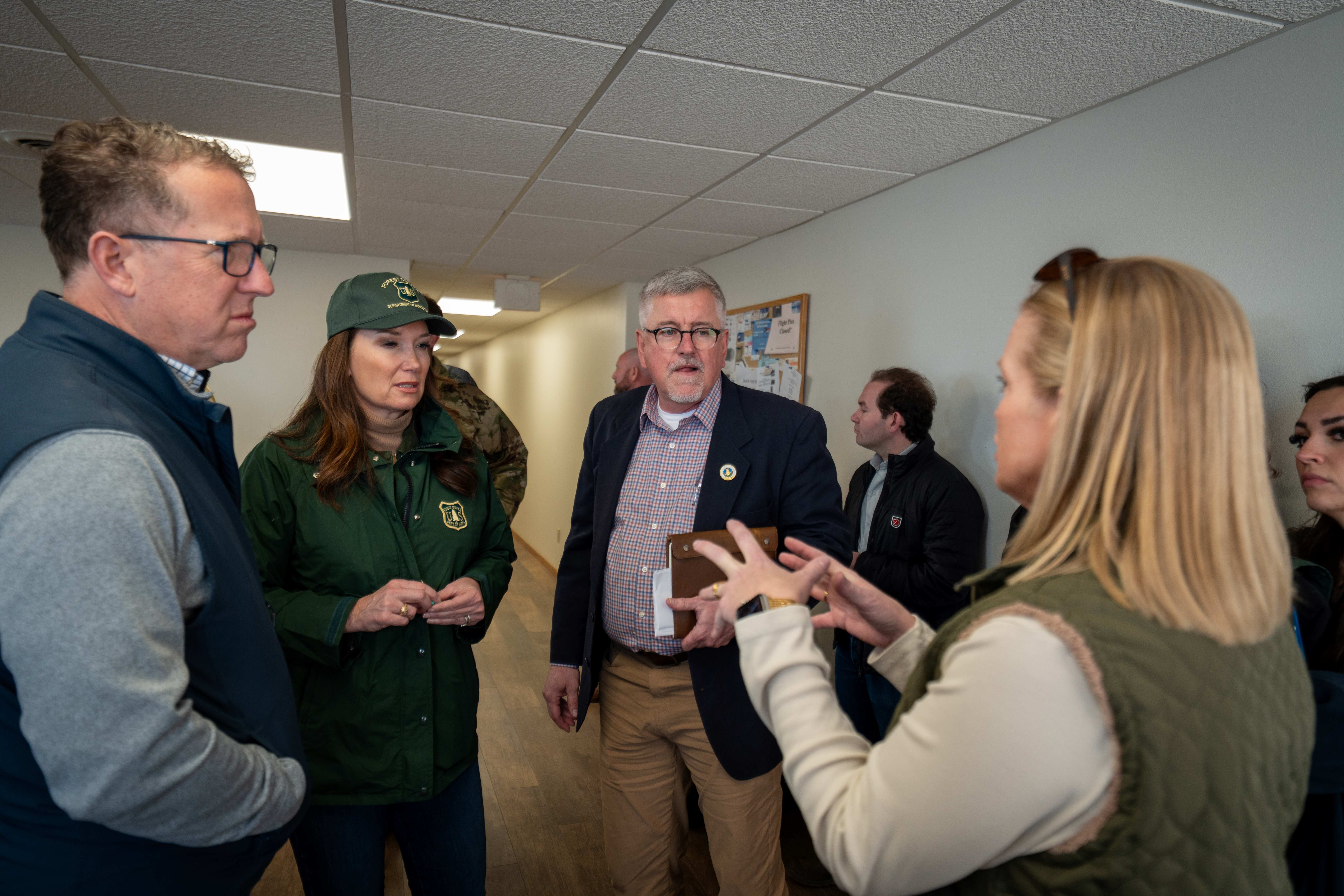
At the U.S. Department of Agriculture (USDA), we know recovery is not just about rebuilding what was lost, but about helping producers recover, move forward and prepare for the next challenge because disasters are not a matter of if, but when. This is why USDA is here to work beside farmers and ranchers every step of the way.
For producers impacted by natural disasters, the first step is important: connect with your local USDA Service Center. Our dedicated teams at the Farm Service Agency and Natural Resources Conservation Service are ready to help assess losses, walk you through available programs, and guide your recovery efforts.
Once it is safe to do so, producers should document losses and damages thoroughly. Gathering farm records, herd inventory, receipts, video and photos (date and time-stamped if possible) can make a difference in what assistance is accessible. Our local staff will help translate your loss reports into the USDA technical and financial support designed to meet recovery needs specific to your operation. If you’ve lost records or documentation, don’t let that stop you from contacting us. We will work with you. Our staff will help you piece together what you have and do all that we can to get you the assistance you need.
If you’ve had livestock losses or had to sell injured animals at a reduced price, our Livestock Indemnity Program may help. If recent natural disaster events have strained water, feed or grazing access or availability, the Emergency Assistance for Livestock, Honeybees and Farm-Raised Fish Program can help offset above normal transportation costs. Orchardists and nursery growers can access cost-share assistance through the Tree Assistance Program to replant and rehabilitate damaged trees, bushes, and vines.
We also offer low-interest emergency, operating and farm storage facility loans (including hay storage facilities) as well as flexible loan servicing for current borrowers to help you recover, rebuild and keep moving forward.
Risk management also plays a critical role. Producers with crop insurance or Noninsured Crop Disaster Assistance Program coverage should report losses as soon as possible and follow program timelines closely. Timely reporting ensures you can fully access the protection that’s in place.
Beyond immediate recovery, we are also focused on helping producers maintain operations during hard conditions. In wildfire-impacted areas, USDA has authorized emergency use of Conservation Reserve Program acres in Arizona, Arkansas, Colorado, Iowa, Kansas, Louisiana, Minnesota, Missouri, Nebraska, New Mexico, Oklahoma, South Dakota, Texas, and Wyoming to donate grazing rights or haying authority to help address forage shortages. These flexibilities are designed to provide relief when you may need it most. Additionally, emergency haying and grazing is available until the primary nesting season, which varies by state. Your local FSA staff can help guide you through this process.
We are also investing in restoring the land itself. Through the Emergency Conservation Program, producers can receive assistance to remove debris, repair fences, and return land to production. Our staff provides technical expertise and financial support through programs like the Environmental Quality Incentives Program to implement conservation practices that strengthen resilience in the future.
And recovery extends beyond the farm. Through the Emergency Watershed Protection program, USDA works with local communities to address hazards like debris-clogged waterways and unstable streambanks, helping reduce future risk and protect infrastructure.
If you were recently impacted by a wildfire, winter storm or other natural disasters, we have resources that can help. To learn more, contact your local USDA Service Center or visit these online resources, including:
- Wildfire Recovery webpage;
- Winter Storm webpage
- Severe Storm webpage; and
- Disaster Assistance at a Glace fact sheet.
I know these are stressful times. So many have lost so much. Take care of yourselves and check in on your neighbors. If you or someone you know needs support, please take advantage of farmer and rancher stress resources in your community and stress support resources available through USDA. You don’t have to carry the weight of recovery alone.
Under the leadership of Secretary Rollins and with the support of the Trump Administration, we’re focused on making sure you have the resources you need during recovery and as you prepare for a brighter tomorrow. In a perfect world, there wouldn’t be a next time but in production agriculture, we know we can’t control what Mother Nature has in store, so we’ll lean on each other, tap into rural America’s resilient spirit and forge ahead, united in our mission to rebuild, recover and keep American agriculture strong.
 Loans and Grants
 Disaster Planning and Assistance
 Conservation
 Ag Business
 Farm Life