


This Friday meet Ian Zacher of Feirme Béar Donn Farm on Kodiak Island, Alaska. Ian and his wife, Leah, own and operate this thriving vegetable operation, selling produce to over 1,000 customers each year. Ian moved from Humboldt, California, to Kodiak in 2018. The Zacher family started farming on the island in 2020, a critical time for growing local food with supply chain disruptions from the pandemic.
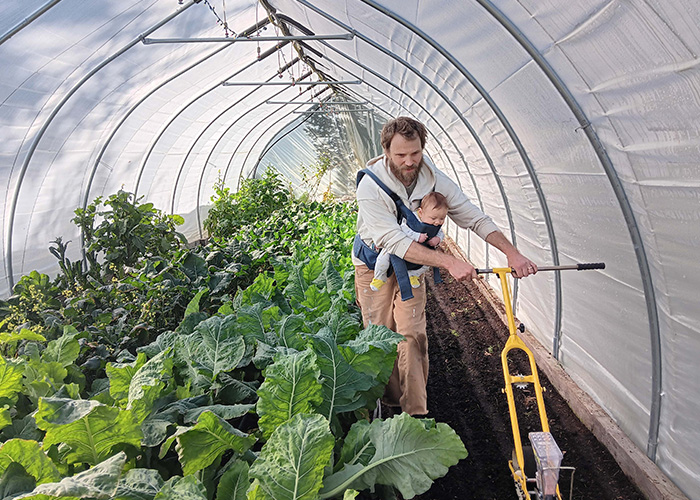
“I farmed in Humboldt where you could grow just about anything,” Ian said. “I never grew in a hoop house before moving here. I’ve had to teach myself everything.”
Improving the Farm
The couple farms intensively on about 3,000 square feet and in one season can yield about 800 heads of bok choy, 400 pounds of potatoes, 200 heads of broccoli, 180 cauliflower, 400 bunches of radishes, 200 bunches of turnips, 200 bunches of beets, 60 pounds of spinach, and an abundance of lettuce. They also produce cut flowers and other crops in their greenhouse, along with chicken and duck eggs.
Ian and Leah’s produce is sold to the Kodiak Harvest Food Cooperative and the Kodiak Food Hub, and they also donate food to the local women’s shelter. Their farm is currently the largest vegetable producer in the town of Kodiak.
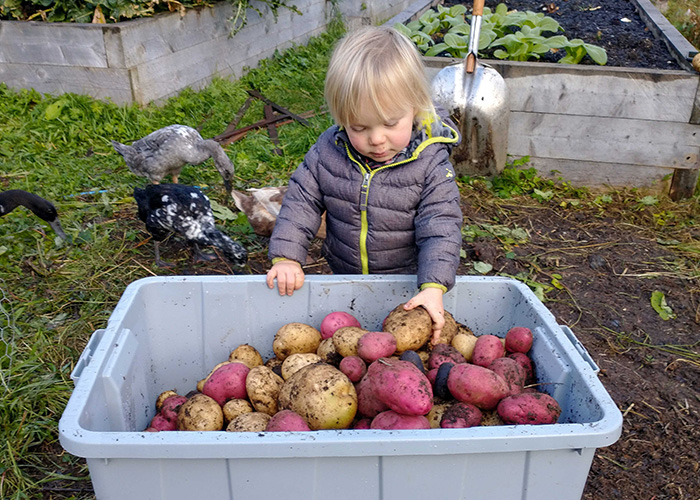
Over the years, they have added onto the farm, including the addition of a chicken coop, a greenhouse, raised beds, and two high tunnels (also known as hoop houses). Their future plans include installing an irrigation system and more high tunnels.
Working with NRCS
Ian and Leah are piloting USDA Natural Resources Conservation Service (NRCS) conservation practices on the farm. In 2025, they installed low tunnels with NRCS’ Environmental Quality Incentives Program (EQIP).
“This is the best paying practice for small farmers,” Ian said. “They are easy to build, and they help me control moisture and manage the soil temperature. I can open and close them easily to manage air flow. By putting them inside a high tunnel or hoop house, I can manage better for the wetter and colder climate in Kodiak.”
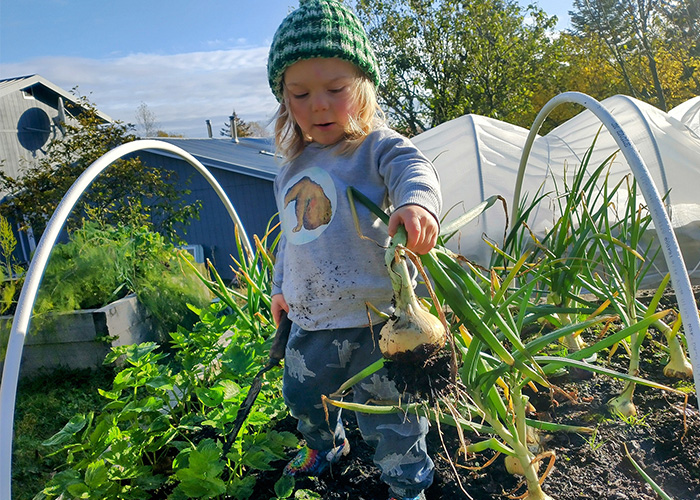
In just their first season with the low tunnels, Ian noticed a significant improvement in pest management – he didn’t have a single root maggot in his harvest of garden turnips because they were grown inside the low tunnel.
“From the 100 or so bunches this year, we’ve only had three turnips with light damage, normally it’s around 10 percent of my turnips,” Ian said. “These low tunnels work.”
Tackling Food Security
Ian is applying his personal experience working with NRCS on his farm to help other growers on the island connect with NRCS programs.
Multiple residents have installed seasonal high tunnels with NRCS assistance. “Crops grow three times faster in the high tunnel than outside of it, and you have to manage it three times more intensely,” Ian said.
Food security is a concern for all Alaskans, considering its remote location, high import and shipping costs, infrastructure limitations, and short growing season. About 95% of the food purchased in Alaska is imported and the food supply chain is vulnerable to disruptions, especially for residents off the road system and on remote islands.
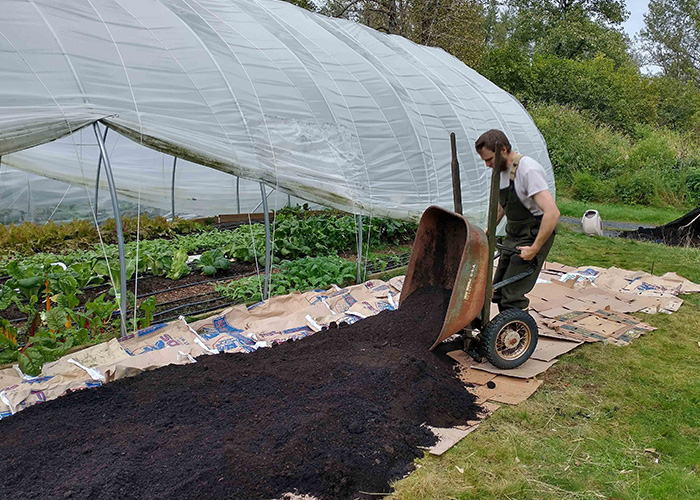
The demand for local food on Kodiak is growing, and more people are producing local food. NRCS is working with multiple landowners and partners to support agriculture on the island, including the Kodiak Soil and Water Conservation District and the Kodiak Archipelago Leadership Institute.
“We need more farmers in Alaska,” Ian said. “My goals are to bolster the community gardens, advocate for raised beds, get people growing in small spaces where they can, and foster the idea of subsidizing people’s food costs with growing a small lettuce crop. And practices like mini tunnels and raised beds are an easy tool to get people to buy in.”
More Information
Visit local farms, ranches, forests, and resource areas through our Fridays on the Farm stories. Meet farmers, producers, and landowners who are working to improve their operations with USDA programs.
USDA offers a variety of risk management, disaster assistance, loan, and conservation programs to help producers weather ups and downs in the market, recover from natural disasters, and invest in improvements to their operations. Learn about additional programs.
For more information about USDA programs and services, contact your local USDA service center.
 Loans and Grants
 Disaster Planning and Assistance
 Conservation
 Ag Business
 Farm Life