


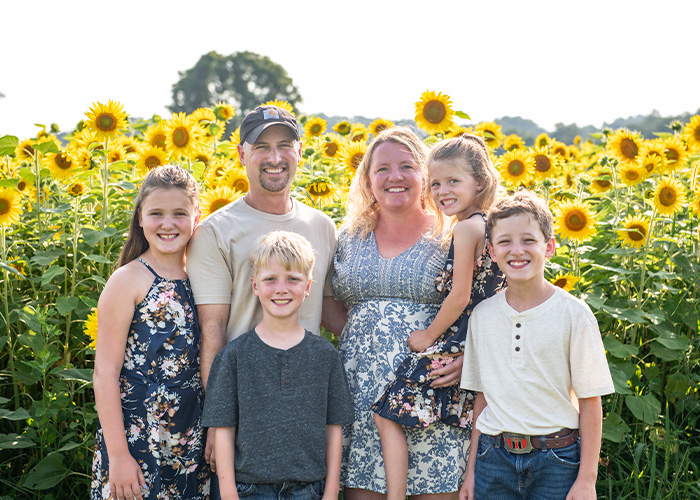
This Friday meet Robbie and Shannon Dygert, thirteenth-generation dairy farmers of Dygert Farms in Palatine Bridge, New York, an operation that has been in the family for over 300 years. The original farmstead was deeded to the family in 1723 by the British royal family and has been run as a dairy ever since. Robbie and Shannon took over ownership of the farm in 2009 to steer it into the fourth century of operation.
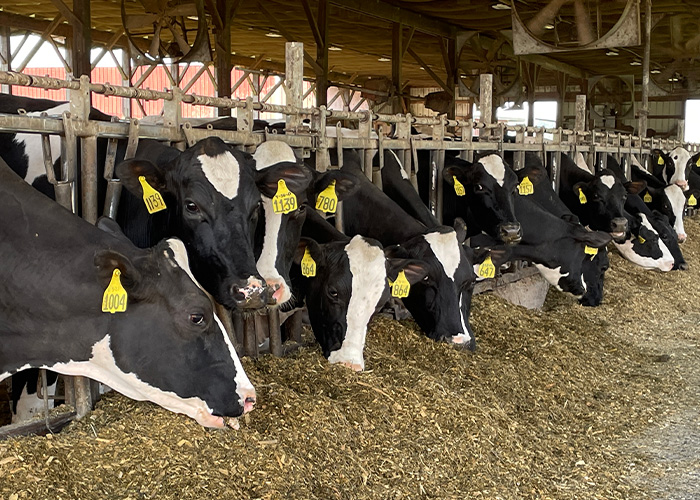
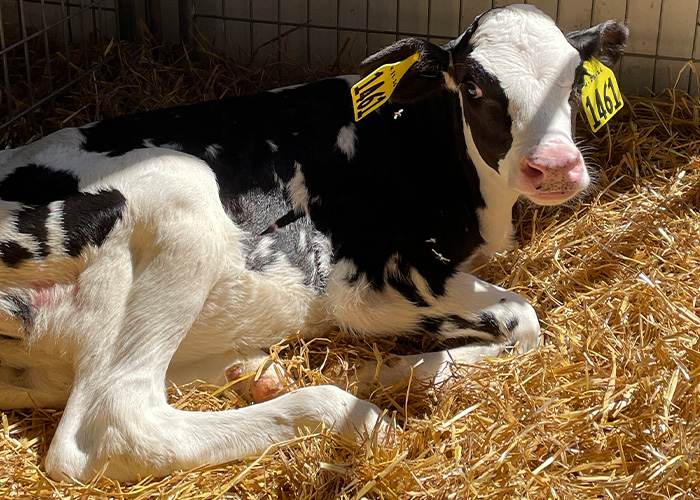
Robbie and Shannon started milking 50 cows in a tie stall barn. Since then, they have gradually expanded the operation to milking 250 cows, housed in two free stalls, and converted the old tie stall barn into a double-8 parallel milking parlor.
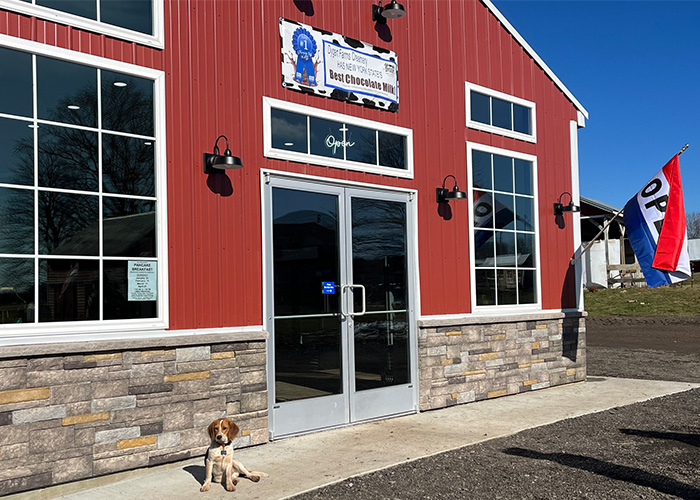
Looking for ways to diversify the farm, the Dygerts established Dygert Farms Creamery in 2015 with the hope they would one day bottle and sell their own milk. In the early days of the creamery, Robbie and Shannon bought and distributed milk to local businesses and through home delivery, which also allowed them to build their customer base. Their hope became reality in 2021 when they began processing their own milk to sell in local grocery stores, farm stands, home delivery and in their farm store.
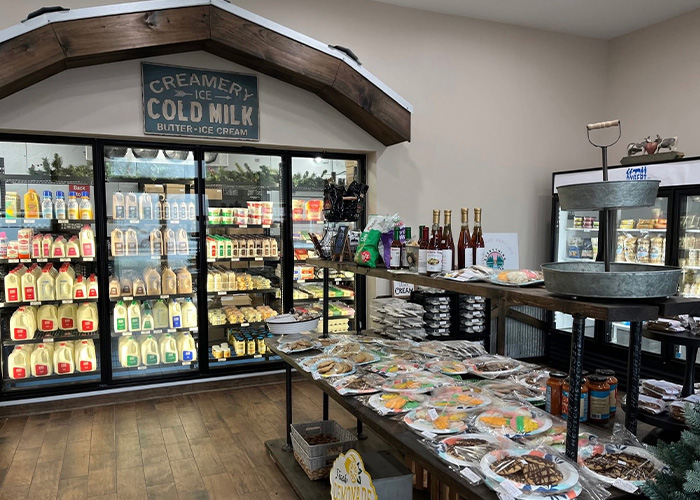
The Dygerts bottle and sell whole, 2% and skim milk, as well as whole chocolate milk and half and half. They also offer seasonal options, including eggnog during the holidays and maple flavored milk in the spring. In addition to their dairy products, they sell other local products, such as meat, cheese, baked goods, maple syrup and canned goods.
Growing with Farm Storage Facility Loans
The Farm Storage Facility Loan (FSFL) program from USDA’s Farm Service Agency (FSA) helped Robbie and Shannon throughout the creamery expansion. The program provides low-interest financing for producers to build or upgrade permanent and portable storage facilities and equipment.
“The storage loans make great business sense,” said Robbie. “The low interest and annual payment allow us to plan and pay the loan off in a comfortable timetable. Plus, they are easier to procure than commercial lending can be.”
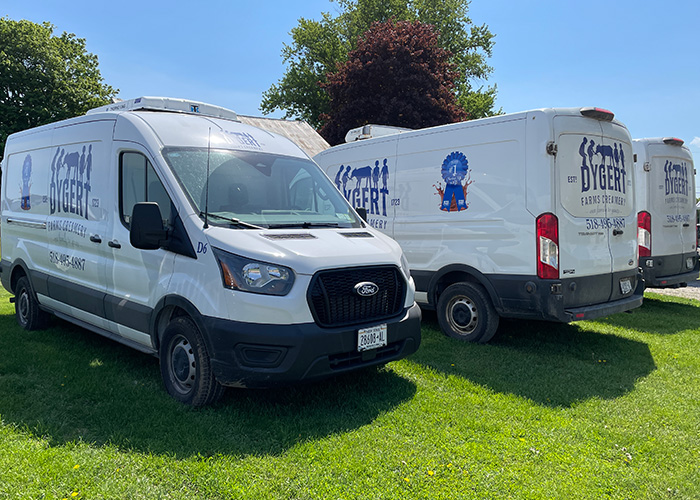
Robbie and Shannon purchased a refrigerated delivery truck and an ice machine with their first FSFL. They decided to build the on-farm store a few years later and needed more refrigeration space. They worked with FSA staff in Fultonville to obtain a second FSFL to install a walk-in cooler and display coolers for their new store to display their milk. To keep up with demand, they’re adding even more refrigeration space this year with another FSFL.
Managing Risk with USDA Programs
Aside from FSFL, the Dygerts enrolled in FSA’s Dairy Margin Coverage Program (DMC) to protect their operation from market downturns. DMC serves as a voluntary risk management tool for dairy producers, offering financial assistance when the margin between the all-milk price and average feed cost falls below a coverage level chosen by the producer.
Robbie and Shannon grow most of the feed for their cows, farming about 800 acres of corn and alfalfa, utilizing cover crops when they can.
They annually enroll in Agriculture Risk Coverage (ARC) and Price Loss Coverage (PLC) programs through FSA, which helps protect farmers from significant income losses due to fluctuations in crop prices or revenue shortfalls. While ARC provides payments when the actual revenue for a farm is less than a guarantee set based on historical data and market conditions, PLC provides payments when the marketing year average price for a covered commodity falls below its effective reference price.
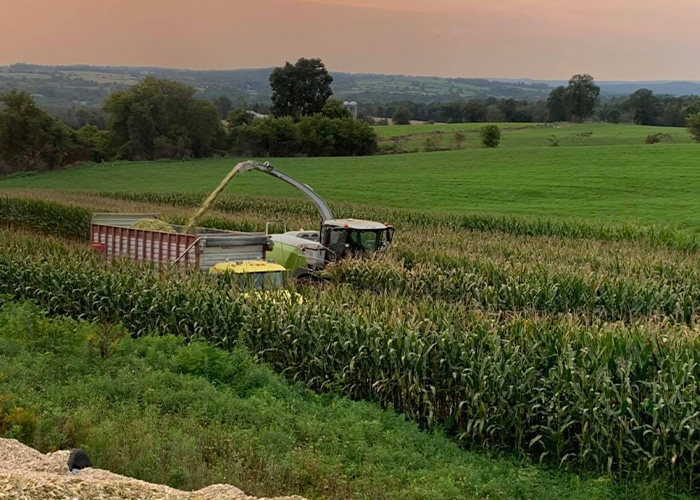
Beyond FSA programs and to further protect their bottom line, the Dygerts insure their corn with federal crop insurance managed by USDA’s Risk Management Agency (RMA).
RMA serves America’s agricultural producers through effective, market-based risk management tools to strengthen the economic stability of agricultural producers and rural communities. The federal crop insurance program currently offers 42 plans of insurance, covering 138 commodities and crops. Approved Insurance Providers sell and service Federal crop insurance policies through a public-private partnership with RMA.
Looking to the Next Generation
The Dygerts have also worked with USDA’s Natural Resources Conservation Service (NRCS) to invest in their operation for the next generation. They installed their current manure storage facility and implemented other farmstead water quality improvements with NRCS’ Environmental Quality Incentives Program. Additionally, they strengthened nutrient management and wildlife habitat on the property with NRCS assistance through the Conservation Stewardship Program.
Shannon serves her local agriculture community as an advisor to her local FSA county committee. County committees are a critical component of the day-to-day operations of FSA and allow grassroots input and local administration of federal farm programs.
“I really enjoy my time on the county committee,” she said. “I appreciate learning about all the programs FSA offers and then being able to share that information with my farming neighbors. I’m always giving someone the local office number so they can call and get started on a FSFL or whatever program will help them.”
The Dygerts’ four children, Dylan, Olivia, Tucker and Cassidy, help on the farm and in the creamery. Dylan has even started his own poultry business, raising meat birds in batches of 50 at a time. The future of Dygert Farms Creamery looks bright as it builds on its history and marches forward into the future.
More Information
Visit local farms, ranches, forests, and resource areas through our Fridays on the Farm stories. Meet farmers, producers, and landowners who are working to improve their operations with USDA programs.
USDA offers a variety of risk management, disaster assistance, loan, and conservation programs to help producers weather ups and downs in the market, recover from natural disasters, and invest in improvements to their operations. Learn about additional programs.
For more information about USDA programs and services, contact your local USDA service center.
 Loans and Grants
 Disaster Planning and Assistance
 Conservation
 Ag Business
 Farm Life