


In this Ask the Expert Claire White answers questions about risk management options available to specialty crop producers.
Claire has been with USDA’s Risk Management Agency (RMA) for 23 years, writing and improving crop insurance policies, and currently serves as RMA’s Specialty Crops Coordinator.

RMA was created in 1996 and celebrated its 30th anniversary this year. In its infancy, the agency's specialty crop portfolio included crop insurance programs for 40 crops under three plans of insurance. As of the 2025 crop year, RMA offers coverage for 83 specialty crops under 22 plans of insurance, endorsements and options, and protects more than $28 billion in liability. These specialty crops include varieties of fruits and vegetables, tree nuts, dried fruits and horticulture nursery crops, including floriculture.
What insurance options are available to specialty crop producers?
While individual crop insurance programs are available for a variety of specialty crops, RMA offers several programs that can provide coverage for many crops under one program.
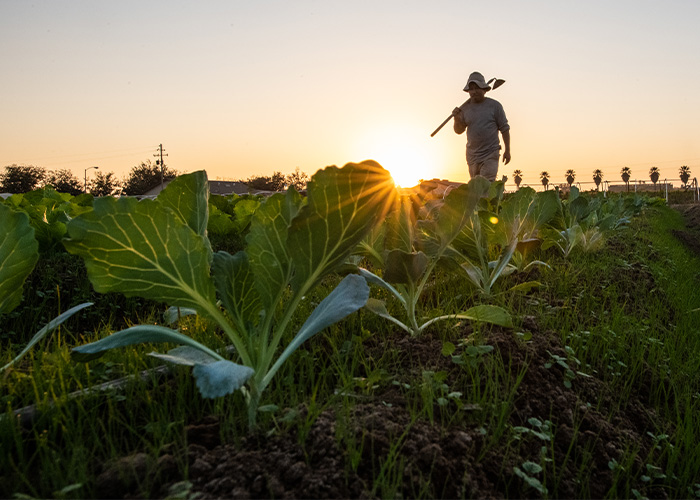
Whole-Farm Revenue Protection (WFRP) and Micro Farm are two programs available nationwide that provide a risk management safety net to all commodities on a farm. WFRP is tailored for any farm with up to $17 million in insured revenue. Micro Farm has approved revenue limits of $350,000 for the initial year of insurance and $400,000 for carryover policies.
Nursery Value Select (NVS) is a great option for nursery growers and is also available nationwide. This inventory-based program allows producers to select the dollar amount of coverage that best fits their risk management needs and provides coverage for thousands of fruits, vegetables and ornamental, bedding and flowering plants.
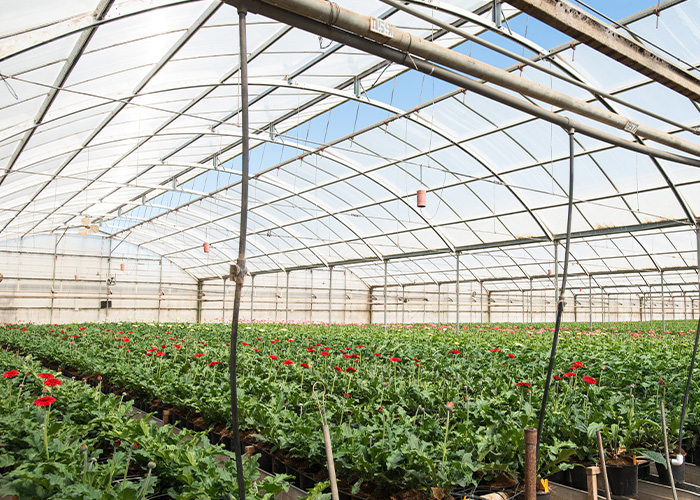
For producers in select states and counties, Controlled Environment (CE) offers coverage for unavoidable damage to controlled environment plants by the unknown introduction of a plant disease or contamination resulting in a destruction order or a quarantine, when certain qualifications are met. Like NVS, CE is inventory-based and provides coverage for thousands of plants under one program. More information, including program availability, can be found on the program’s webpage and fact sheet.
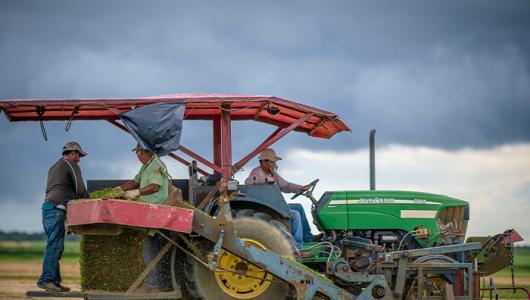
Beginning with the 2027 crop year, RMA is offering a crop insurance program for turfgrass. Turfgrass Value Select (TVS) provides coverage for irrigated turfgrass, modeled after NVS. TVS is an inventory-based dollar plan of insurance available in select counties in Alabama, Florida, Georgia, Illinois, Minnesota, Missouri, North Carolina, Oklahoma, South Carolina, and Texas.
The program will allow producers to establish a dollar amount of coverage based on expected inventory value during the crop year. Seven turfgrass types will be insurable with TVS: Bermuda (Warm Season), Centipede (Warm Season), St. Augustine (Warm Season), Zoysia (Warm Season), Kentucky Bluegrass (Cool Season), Tall Fescue (Cool Season) and Tall Fescue/Kentucky Bluegrass Mix (Cool Season).
For an additional premium, producers who purchase TVS can choose to add on the Occurrence Loss Option for shallow loss coverage or, alternatively, Hurricane Insurance Protection – Wind Index coverage in counties where the program is available.
What if a crop is not insurable in my county?
Written Agreements are an important tool producers can use to obtain crop insurance coverage when it isn’t available in their county. If you’re looking to insure a specialty crop that isn't insurable in your county but is insurable in other counties, you can work with your crop insurance agent to submit a Request for Actuarial Change form. From there, your RMA Regional Office will review your request and can approve a Written Agreement on behalf of the Federal Crop Insurance Corporation.
What else is RMA doing to support specialty crop growers?
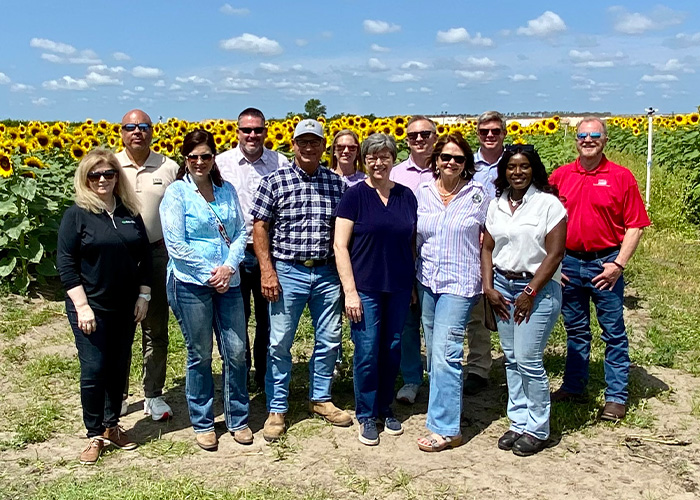
Under the leadership of U.S. Secretary of Agriculture Brooke L. Rollins, RMA has placed a national emphasis on supporting specialty crops. Over the last year, RMA has hosted multiple virtual and in-person roundtable discussions for crop insurance agents and industry representatives on ways to improve the specialty crop program for producers. Alongside the in-person roundtable discussions, RMA Administrator Pat Swanson has been conducting field visits to meet with producers and crop insurance agents to understand what is working with specialty crop programs and how they can be improved.
Where can I find more information?
Crop insurance is sold and delivered solely through private crop insurance agents. If you’re interested in purchasing a policy, contact your crop insurance agent or find one online using the RMA Agent Locator.
Producers can learn more about crop insurance and the modern farm safety net at rma.usda.gov or by contacting their RMA Regional Office. RMA’s Basics for Beginners provides information for those new to crop insurance.
Lauren Moore is a public affairs specialist with USDA’s Farm Production and Conservation Business Center.
 Loans and Grants
 Disaster Planning and Assistance
 Conservation
 Ag Business
 Farm Life