



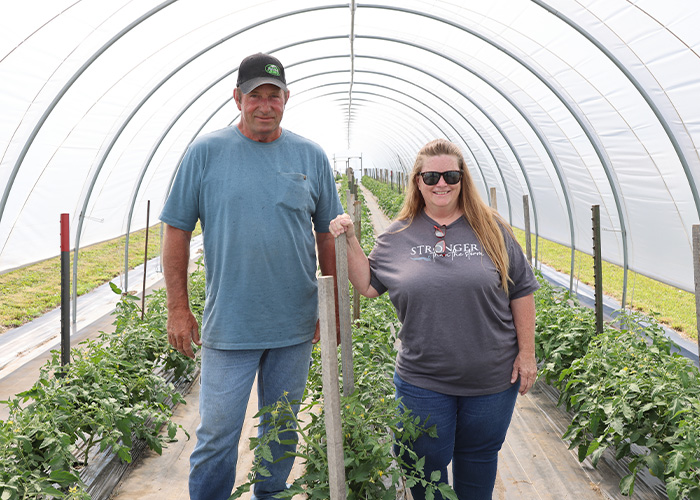
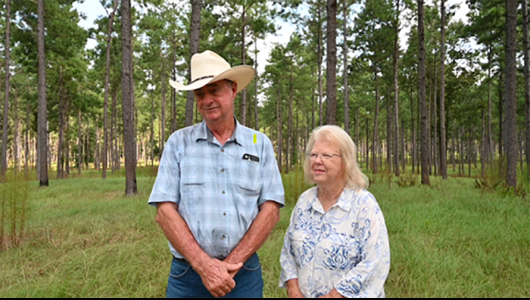
This Friday meet Bud Manke and Peggy Martin of Midland, South Dakota, where they grow a variety of produce and farm fresh eggs on their 14-acre operation, Cedar Creek Gardens. Their mission is to provide high-quality, nutritious produce to their local community. Additionally, Bud and Peggy supply wholesale fruits and vegetables to restaurants, chefs, caterers, food trucks, small grocers and institutional buyers seeking South Dakota‑grown products.
Passionate about bringing the vibrant flavors of South Dakota to local schools, Cedar Creek Gardens also provides farm‑to‑school lunch programs, giving students access to fresh, local produce.
Expanding Growing Capabilities
Support from USDA’s Natural Resources Conservation Service (NRCS) helped them improve their operation over the years. In 2010, Bud and Peggy’s operation was the first operation in South Dakota to install a high tunnel with NRCS’ Environmental Quality Incentives Program (EQIP), an investment that is still used for vegetable production today.
Since then, Bud and Peggy have expanded their growing capabilities and now operate a network of high tunnels, low tunnels, and caterpillar tunnels that extend the growing season and protect crops from heat, frost, and extreme weather. Their 200‑foot caterpillar tunnels hold 600 pepper plants or 300 tomato plants in each tunnel. In total, 1,300 pounds of tomatoes were planted this growing season.
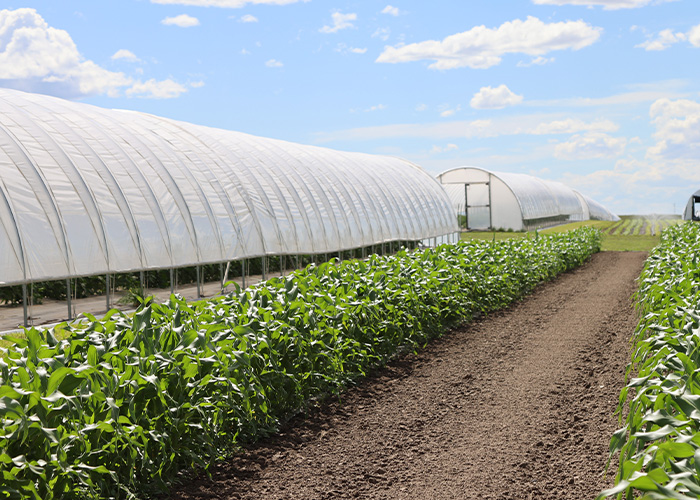
Starting the planting process early is critical for Bud and Peggy because planting too late in the season can put their entire crop at risk. “[If] people get their tomatoes in too late, they will see beautiful tomato plants, but no fruit because it gets too hot,” said Peggy. Without the low tunnels covered with frost cloth within the caterpillar tunnel system, their tomato crop would not survive late frosts.
Thinking Outside the Box
Looking to address their energy concerns, Bud and Peggy applied for financial assistance through an NRCS Conservation Innovation Grant. After an energy audit, they were able to make LED lighting upgrades in their greenhouses and sheds. Three automatic controllers were placed in the greenhouses to monitor air temperature and raise and lower the sides of the greenhouse curtains to reduce the usage of the fans and save energy usage due to the fans running less.
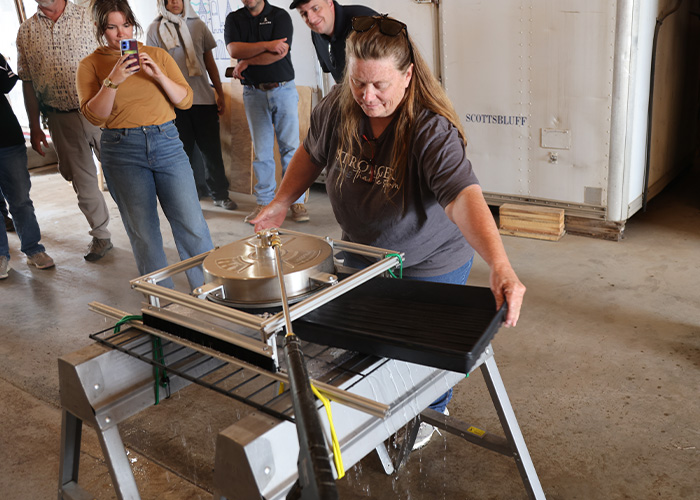
Cedar Creek Gardens demonstrates how conservation, creativity, and NRCS partnership can help producers thrive. Peggy attributes soil health to the foundation of their success, “I would highly, highly recommend everybody do a soil test. You can waste a whole year and not have high production if you don’t.”
More Information
Visit local farms, ranches, forests, and resource areas through our Fridays on the Farm stories. Meet farmers, producers, and landowners who are working to improve their operations with USDA programs.
USDA offers a variety of risk management, disaster assistance, loan, and conservation programs to help producers weather ups and downs in the market, recover from natural disasters, and invest in improvements to their operations. Learn about additional programs.
For more information about USDA programs and services, contact your local USDA service center.
 Loans and Grants
 Disaster Planning and Assistance
 Conservation
 Ag Business
 Farm Life