


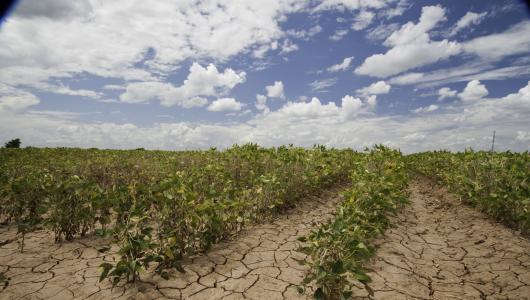
While spring is a time for renewal and the excitement that comes with planting and calving, this year, it can also mean added stress because of drought. Across the United States, widespread, severe drought conditions are impacting farms and ranches. While catastrophic for agriculture, the effects are far reaching, impacting wildlife and increasing the risk of wildfires.
I know that navigating drought can feel overwhelming but be assured that USDA has a team of dedicated people and a suite of programs that can help you recover from losses, reduce future risk or prepare your operation for the future.
Assistance for Producers
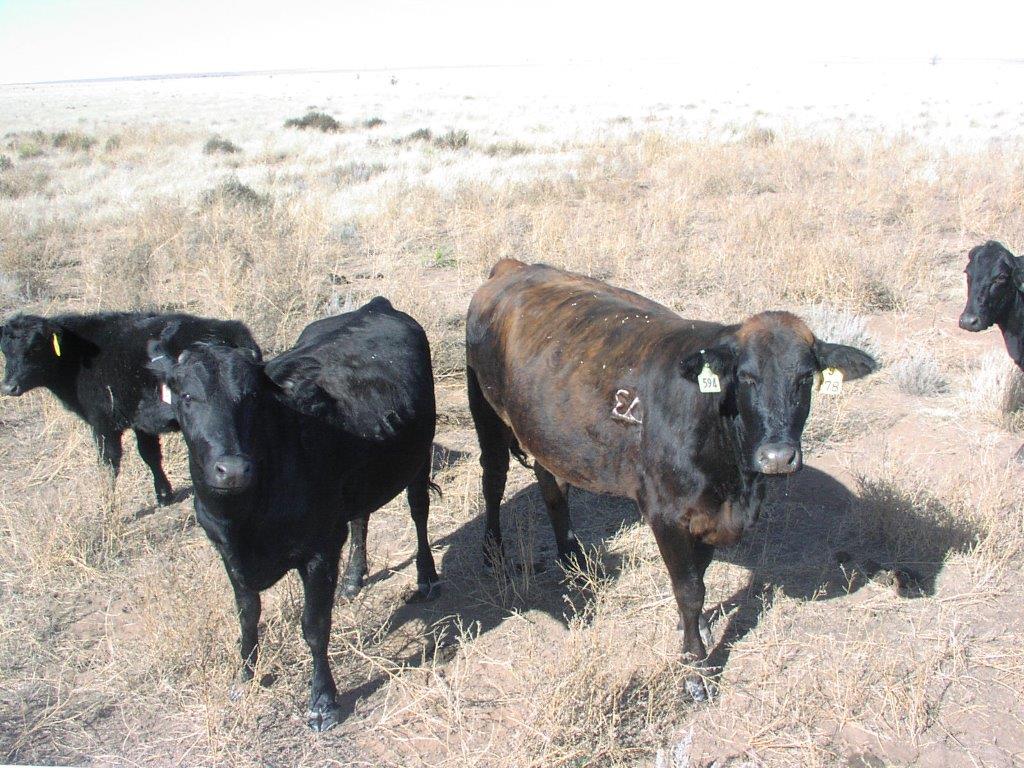
If you raise livestock, assistance is available through:
- Livestock Forage Disaster Program (LFP), for grazing losses.
- Emergency Assistance for Livestock, Honeybees and Farm-raised Fish Program (ELAP), for feed losses and transportation costs for feed and water and livestock.
- Emergency haying and grazing of land enrolled in Conservation Reserve Program (CRP), to help in a time of forage shortage. During the primary nesting season, emergency grazing can proceed with a 50% reduction in stocking rate, provided the county where the CRP is located is eligible for LFP.
- Noninsured Crop Disaster Assistance Program (NAP) coverage for certain forage and grazing losses if they are classified as NAP-eligible crops.
The Emergency Conservation Program (ECP) and Emergency Forest Restoration Program (EFRP) provide financial and technical assistance to restore and rehabilitate farmland and nonindustrial private forests and implement water conservation practices during severe drought.
Similarly, the Environmental Quality Incentives Program (EQIP) provides financial and technical assistance to implement conservation practices. Common drought recovery includes forest management plans, tree/shrub establishment, brush management, prescribed grazing, pasture and hay planting, wildlife habitat, livestock watering systems, and cover crops.
Finally, the Tree Assistance Program (TAP) provides cost share assistance to rehabilitate or replant orchards and vineyards (trees, vines, or bushes).
Our disaster assistance programs are designed to complement risk management tools, such as federal crop insurance and the Noninsured Crop Disaster Assistance Program (NAP). Crop insurance provides indemnity payments to growers who purchase crop insurance for production and quality losses related to drought and other weather hazards, including losses caused by inability to plant on time. Meanwhile, NAP covers losses for crops not covered by crop insurance.
We also offer low-interest direct and guaranteed operating farm loan options, as well as flexible loan servicing for current borrowers to help you recover.
Improve Drought Resiliency
Conservation practices can help you use water more efficiently and boost soil health. Healthy soil stores water better for when it’s needed most. The Natural Resources Conservation Service, through programs like EQIP, provides technical and financial assistance for conservation practices like irrigation efficiency, prescribed grazing, reduced- or no-till, cover crops, mulching, and residue management.
Reporting Conditions
The U.S. Drought Monitor (USDM) is an online, weekly map showing the location, extent, and severity of drought across the United States, enabling producers to best respond and react to a drought as it develops or lingers.
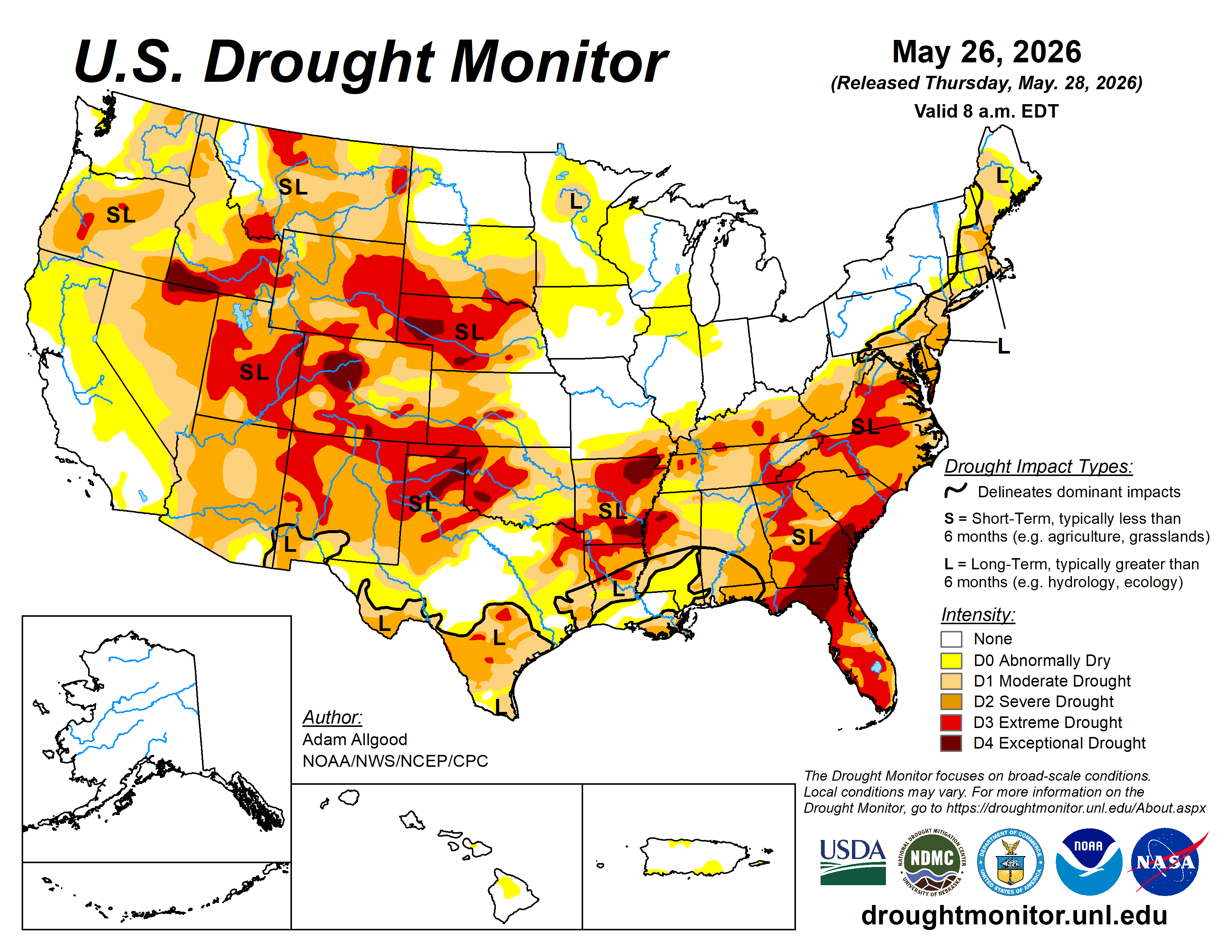
At USDA, we use the Drought Monitor to determine a producer’s eligibility for certain drought assistance programs. The USDM incorporates varying data, including first-hand information submitted from on-the-ground sources. I strongly encourage you to contribute your local, on-the-farm, observations to the USDM process using the Condition Monitoring Observer Report system or emailing droughtmonitor@unl.edu.
More Information
To learn more, reach out your local Service Center. Additionally visit these online resources:
- Drought Recovery Webpage;
- Disaster Assistance Programs At-a-Glance fact sheet;
- Disaster Assistance Discovery Tool;
- LFP Eligibility Maps;
- ELAP Drought Eligibility Dashboard.
Take care of yourselves during these stressful times, and if you or someone you know needs support, please take advantage of farmer and rancher stress resources in your community and stress support resources available through USDA.
Under the leadership of Secretary Rollins and with the support of the Trump Administration, we’re focused on making sure you have the resources you need during recovery as we continue to put Farmers First and provide the technical and financial support you need, when you need it most.
 Loans and Grants
 Disaster Planning and Assistance
 Conservation
 Ag Business
 Farm Life