



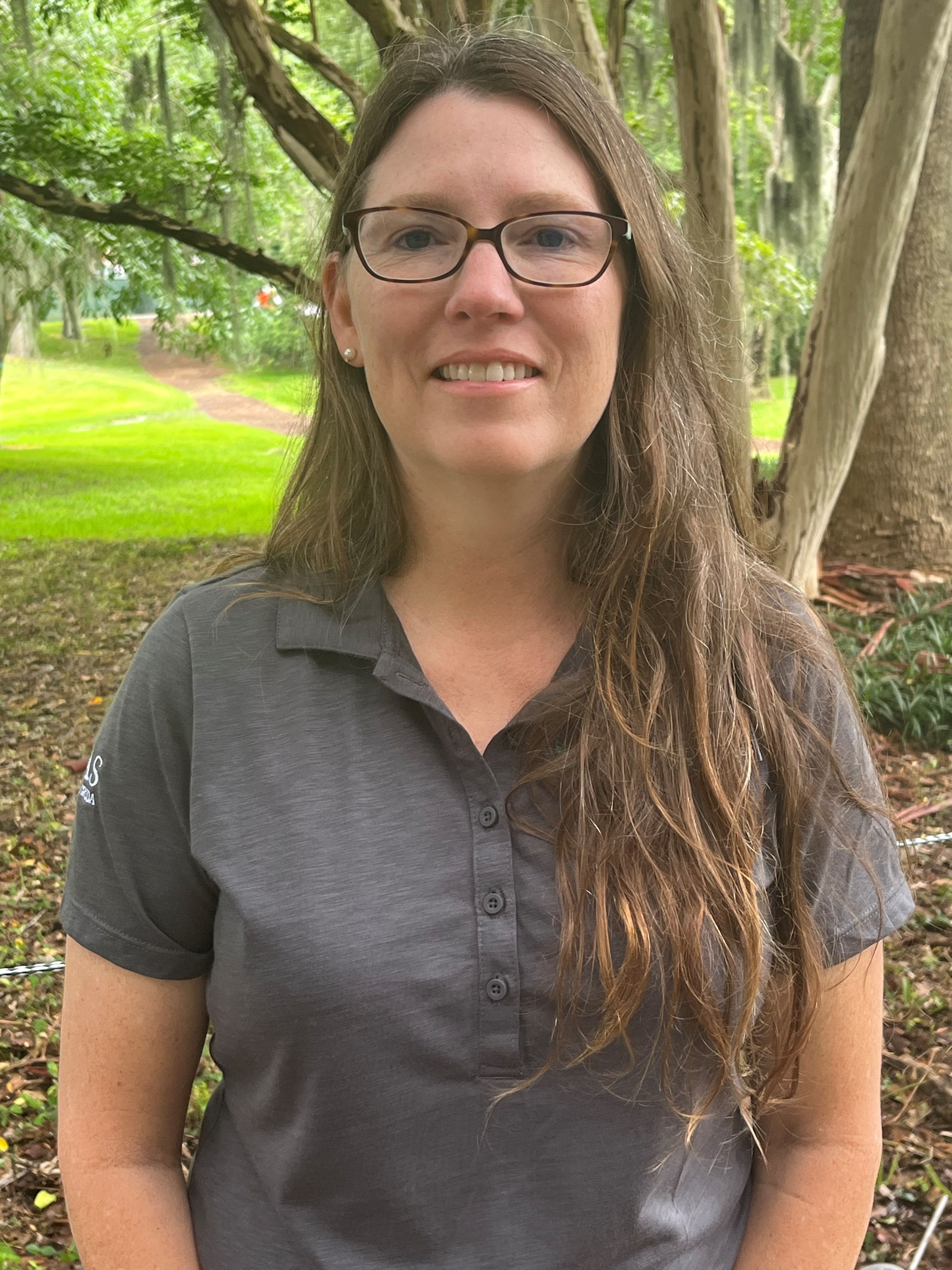
Major weather events leave damage and destruction in their wake, and often financial and tax records are lost. In the second part of an Ask the Expert series on taxes and dealing with disasters, Dr. Tamara Cushing provides tips for reconstructing records after a disaster. Dr. Cushing is an Extension Forest Business Specialist from the University of Florida, working in the area of taxation.
Record Reconstruction Tips:
The reconstruction of records is not an impossible task but requires time and effort. It may be necessary to get professional help.
What information may be needed to reconstruct lost, damaged or destroyed records?
Personal Residence/Real Property
Take photographs as quickly as possible after the casualty to establish the extent of the damage.
Contact the title company, escrow company, or bank that handled the purchase of the property to obtain copies of escrow papers, appraisals, and other documents. Use the current property tax statement for land versus building ratios; if not available, get copies of recent statements from the county assessor’s office.
Check with appraisal companies to locate old multiple listing books. These can be used for comparable sales information to establish a basis or fair market value using property sales from the local area.
Contact your tax preparer and request a copy of your income tax return, or request records from the IRS.
If improvements have been made to the property, contact the contractor(s) for records.
If a home improvement loan was obtained, obtain paperwork from the issuing institution. The loan amount may help establish the cost of the improvements.
For property that has been inherited, check court records for probate values. If a trust or estate existed, contact the attorney who handled it.
Vehicles, Machinery and Equipment
Use an internet search for car, truck, or farm machinery, and equipment values.
Contact the car and machinery dealer for the original sale contract. If not available, ask for a comparable price figure.
Use newspaper ads for the period in which the vehicle was purchased to determine cost basis. Use ads for the period the damage occurred for fair market value. Keep copies of the ads for your records.
If you are still making payments, check with your lien holder.
Personal-Use Property
The number and types of personal-use property may make it difficult to reconstruct records. One method is to draw functional pictures of each room showing where each piece of furniture was, and pictures of the room looking toward any shelves or tables. Reconstruct what was there, especially furniture that would have held items in the drawers, dressers, and shelves. Include a list of items in garages, attics, and basements.
Old catalogs can establish cost basis and fair market value. Check the prices on similar items in your local thrift stores to establish fair market value. Look for infrequently used odds and ends you may have forgotten.
Check local newspaper “want” ads for similar items. Keep a copy for comparison with the tax file.
If you bought items using a credit card, contact your credit card company.
Check with your local library for back issues of newspapers, often on microfilm. The sale sections may help establish original costs on items like appliances.
At a used bookstore, measure several rows of books, count the number of books per shelf and use the prices of those books to determine an average cost per shelf. Multiply the average cost per shelf by the number of shelves in your home to determine the approximate value of your destroyed books.
Business Records
To reconstruct supply inventories, get copies of invoices from suppliers.
For income items, get copies of bank statements. The deposits should closely reflect what the sales were for any given time period.
Obtain copies of federal, state, and local tax returns, including sales tax reports, payroll tax returns and business licenses. These will reflect gross sales for a given time period.
For furniture and fixtures, sketch an outline of the inside and outside of the business location, including details, such as where various equipment and other stored items were located.
If you purchased an existing business, go to the broker for a copy of the purchase agreement.
If the building was constructed for you, contact the contractor or the county/city planning commissions for copies of building plans.
What’s the best way to store this information?
The best tip is to keep records in multiple locations ahead of time. Scan receipts and invoices. Make sure to have those digital records on an external hard drive in another location or loaded to a cloud network.
Part one of Dr. Cushing’s Ask the Expert series can be found here. More information about taxes and USDA programs is available at Taxes and USDA Programs | Farmers.gov.
Kathryn Fidler is a Public Affairs Specialist in USDA's FPAC Business Center


 Loans and Grants
 Disaster Planning and Assistance
 Conservation
 Ag Business
 Farm Life