


When Chuck Coffey tells you about his family’s award-winning ranching operation in southern Oklahoma, he begins with the grass.
"It's your plants that support everything, including the animals," says Chuck. "Grass comes first, cows second.”
The biggest obstacle to growing grass—and making a profit—on the Coffey’s 30,000 acres of land in the Arbuckle Mountains is the spread of eastern redcedar. Woody species like eastern redcedar and ash juniper have taken over much of America’s grasslands in the past century, due to fire suppression.
“The Southern Great Plains was never meant to be covered in brush. We’re in true prairie—we should be covered in big blue stem, little bluestem, Indian grass and switchgrass,” Chuck explains. “Cedar in Oklahoma is a nuisance and a scourge. It rapidly takes over a piece of land. And it has very little value for livestock or wildlife.”
Chuck’s lifelong mission is to restore his grasslands by getting rid of trees. His favorite tool? Fire.
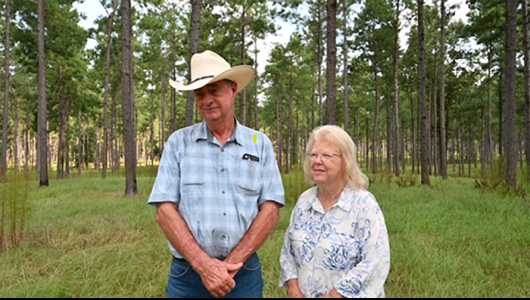
Chuck and his wife, Ruth, his two sons, Seth and Aaron, and his daughter, Sarah, have succeeded in reclaiming their prairie by using mechanical thinning, herbicide, and plenty of prescribed fire.
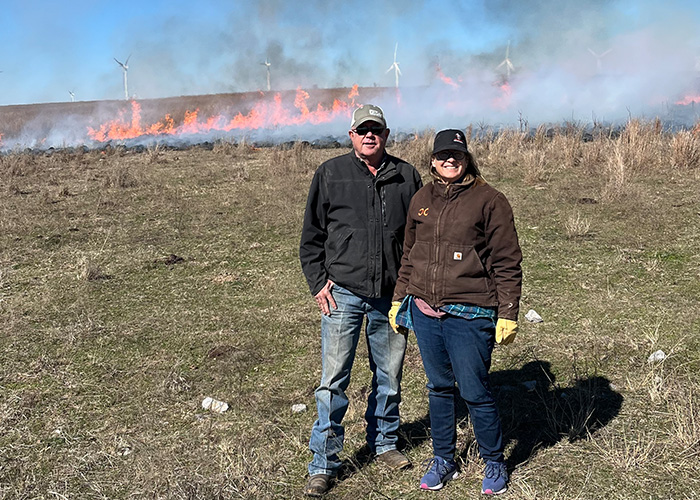
“The Coffeys are one of the culture drivers when it comes to prescribed burns,” says Tanner Swank, grassland biome program manager for Pheasants Forever and USDA’s Natural Resources Conservation Service (NRCS) Working Lands for Wildlife partnership. “They've been fighting the good fight against woody plants for a long time.”
Dense stands of cedar or juniper reduce the amount of forage available to livestock. These trees crowd out native grasses and wildflowers—bad news for ranchers’ bottom lines.
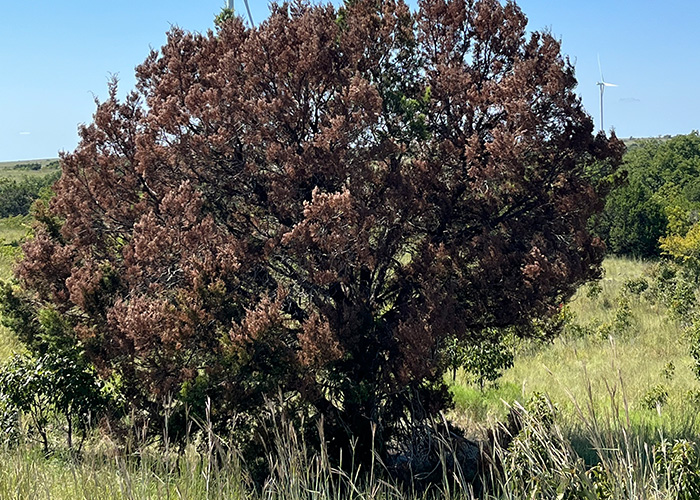
“Nothing will grow under them because of the thick needle duff. Plus, that duff really causes problems with wildfires because it will burn for weeks without going out,” says Seth Coffey.
Another downside of trees taking over prairies is they steal water from rangelands. Redcedars suck up precious groundwater with their roots, and their leaves capture rain before it can recharge groundwater.
Up to 70% of raindrops that hit a cedar tree stay suspended in the leaves and evaporate into the air, which means it never makes it to their streams or aquifer.
Dense stands of redcedar also create pest problems.
Seth notes the more cedars you have, the more parasites you have, including ticks, horseflies and mosquitoes. He noticed it while riding around the ranch— he says you never see a horsefly riding in the open range.
Both Chuck and Seth are trained ecologists who take a scientific approach to rangeland management. Their strategy includes three key actions: first, they use bulldozers or chainsaws to remove trees in heavily infested areas. Then, they use prescribed burns to eliminate remaining brush and reinvigorate perennial plants. Finally, they follow up with herbicide applications to nix any seeds or seedlings the fire doesn’t consume.
Fire helps maintain grasslands. The three together help reclaim the prairie.
USDA’s Farm Bill conservation programs provided the family with cost-share for other grassland conservation efforts, too. The Coffeys used innovative grazing strategies that foster healthy perennial grasses. They also developed 20 solar wells, which improve water quality in streams, and buffers their cattle herd during droughts.
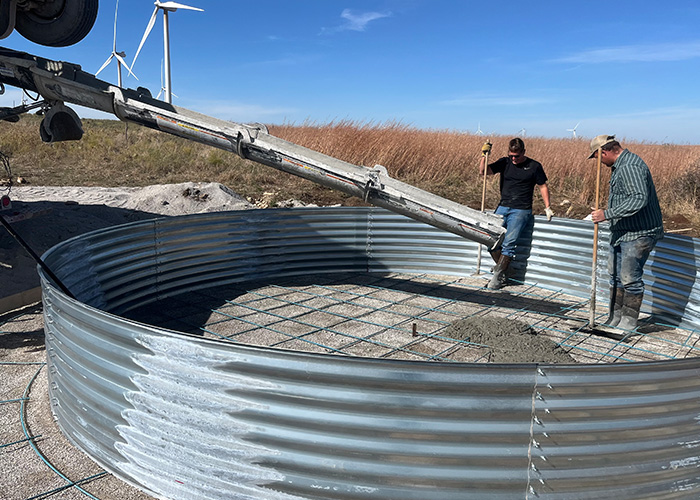
The benefits from their conservation efforts extend beyond livestock. Their ranch is home to white-tailed deer, wild turkey, quail, jackrabbits, raptors, songbirds and—one of Chuck's favorite residents—the roadrunner.
Chuck says cattle production and wildlife conservation go hand in hand. The Coffeys’ philosophy is if it's good for wildlife, it's also really good for cattle.
Ruth and Chuck’s grandchildren are the sixth generation of ranchers in the Coffey family. They are teaching them to continue the family's tradition of land stewardship so they will inherit healthy, productive grasslands—not cedar forests.
 Loans and Grants
 Disaster Planning and Assistance
 Conservation
 Ag Business
 Farm Life