


America’s privately-owned farms, ranches, and forests don’t just provide us with food and fiber—they also support lots of wildlife.
Wildlife on Working Lands
Private landowners hold the key to conserving wildlife through sustainable agricultural practices. NRCS offers these tools and programs that benefit both wildlife and producers:
- Working Lands for Wildlife Initiative: Through the Working Lands for Wildlife Initiative (WLFW), USDA uses a win-win approach to systemically target voluntary conservation efforts to improve agricultural and forest productivity which enhance wildlife habitat on working landscapes.
- Environmental Quality Incentives Program: The Environmental Quality Incentives Program (EQIP) provides technical and financial assistance to help producers address natural resource concerns like soil quality, rangeland health, irrigation efficiency, nutrient management, and forest quality on working lands, including cropland, rangeland, pasture, and nonindustrial private forest land.
- Conservation Stewardship Program: The Conservation Stewardship Program (CSP) helps agricultural producers build on their existing conservation efforts while strengthening their operation. CSP pays participants for conservation performance – the higher the performance, the higher the payment.
- Agricultural Conservation Easement Program: The Agricultural Conservation Easement Program (ACEP) helps landowners, land trusts, and other entities protect, restore, and enhance wetlands or protect working farms and ranches through conservation easements.
The Benefits of Helping Wildlife with USDA
Sustainable agriculture practices on farms, forests, and ranches benefit wildlife by improving soil health, water quality, and plant diversity. And they also create profitable, productive agricultural land that is more resilient to drought, fire, and other natural disturbances.

Cropland
Whether they span 1 or 100 acres, privately owned farms across the nation provide open space and natural resources for all sorts of animals.
Wildlife-friendly farming practices include:
- Controlling erosion by planting trees or shrubs along streams and rivers
- Integrated pest management, to protect wildlife and water quality
- Leaving crop "stubble" on the ground, to provide habitat for nesting birds

Pastures
Livestock pastures offer food and habitat to wildlife as well as to farm animals.
Wildlife-friendly pasture practices include:
- Watering facilities that can serve both livestock and wildlife
- Animal waste management to protect water quality
- Prescribed grazing plans to prevent overgrazing and protect wildlife habitat

Rangeland
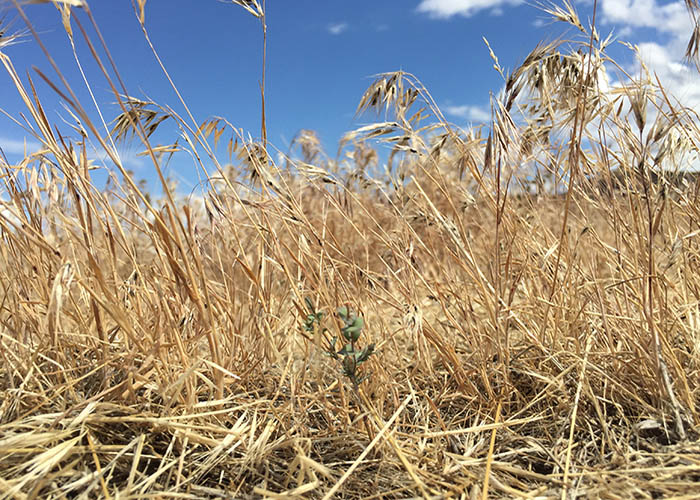
Grazing lands support a wealth of wildlife in habitats like grasslands, sagebrush, and the desert.
Wildlife-friendly rangeland practices include:
- Rest-rotation grazing to foster healthy, diverse native plants
- Restoring and protecting wet habitat to improve water availability
- Removing woody species like juniper, red cedar or pinyon-pine to improve forage and habitat

Forests
From New England to California, our country's diverse forests are home to songbirds, wild game, and fish.
Wildlife-friendly forestry practices include:
- Prescribed burns to encourage diverse plant communities
- Targeted harvesting and thinning to encourage multi-aged timber stands
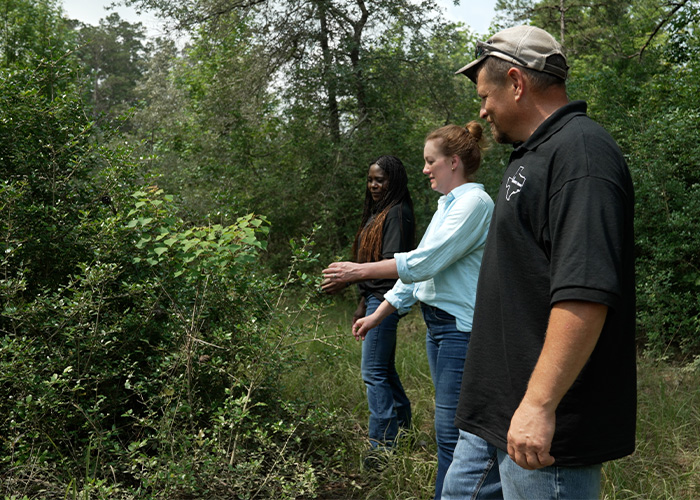
- Brush management and herbaceous weed control to promote healthy forests
Wildlife Conservation Near You
NRCS's Working Lands for Wildlife Initiative is benefiting producers across 48 states. Our goal is to conserve large, intact working landscapes using science-based conservation strategies that benefit whole ecosystems and rural communities.
Find a locally led wildlife conservation partnership near you:
- American black duck: Delaware, Maryland, Virginia, New Jersey
- Blanding’s turtle: Illinois, Michigan, Indiana, Ohio
- Bog turtle: New York, Massachusetts, Connecticut, New Jersey, Pennsylvania, Maryland, Delaware
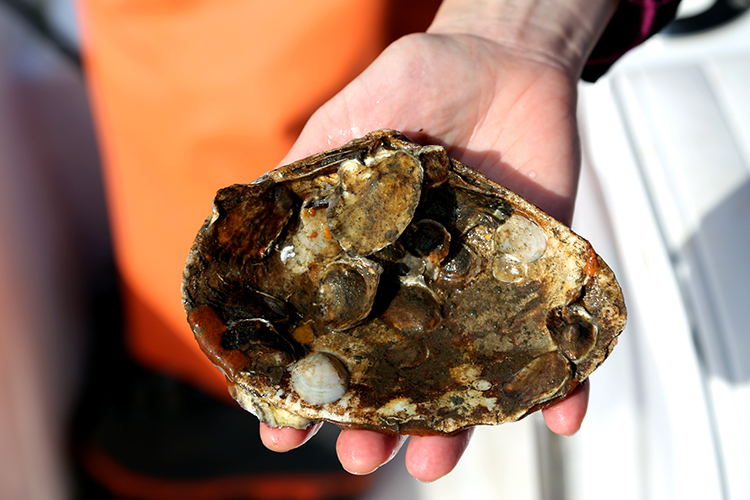
- Colorado River mussels: Texas
- Conasauga River Aquatic Species: Georgia, Tennessee
- Cutthroat Trout: Colorado
- Eastern Hellbender: North Carolina, Tennessee, Virginia
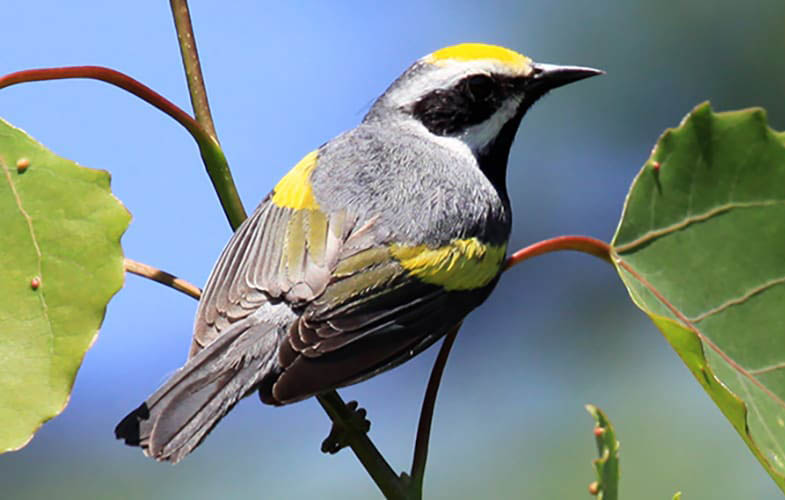
- Golden-winged warbler: Pennsylvania, New Jersey, New York, Maryland, West Virginia, Virginia, Kentucky, Tennessee, North Carolina, Georgia
- Gopher tortoise: Mississippi, Alabama, Georgia, South Carolina, Florida
- Greater prairie-chicken: Nebraska sandhills
- Greater sage-grouse: Montana, Idaho, North Dakota, South Dakota, Wyoming, Colorado, Utah, Nevada, California, Oregon, Washington
- Hawaiian nene (goose): Hawaii
- Lesser prairie-chicken: Colorado, Kansas, Oklahoma, Texas, New Mexico
- Louisiana pine snake: Louisiana and Texas
- Monarch butterfly: Illinois, Indiana, Iowa, Kansas, Minnesota, Missouri, Ohio, Oklahoma, Texas, Wisconsin
- New England cottontail: New York, Massachusetts, New Hampshire, Connecticut, Rhode Island, Maine
- Northern bobwhite: grasslands (Virginia, Arkansas, Illinois, Indiana, Maryland, North Carolina, Ohio, Missouri, Kentucky) and pine savannas (Georgia, New Jersey, North Carolina, South Carolina, Florida, Alabama)
- Northern Plains grassland birds: South Dakota, North Dakota
- Northeast turtles: New Hampshire, Maine, Massachusetts, Rhode Island, Connecticut, New York, Vermont
- Salmon: Alaska’s Kenai Peninsula
- Shorebirds of Louisiana wetlands: Louisiana
- Southwestern willow flycatcher: California, Nevada, Arizona, Utah, Colorado, New Mexico
- Yazoo darter: Mississippi
Wildlife Practices for Working Lands
Brush Management
Removing woody species from grazing lands provides more forage for livestock, boosts wildlife habitat, and improves water availability.
 2 minute video
Prescribed or Rotational Grazing
Rotating livestock through different pastures ensures that grasses and soil stay healthy to better support herds and wildlife.
2 minute video
Forest Stand Improvement
Managing for diverse, mixed-age, healthy forests is good for timber production and wildlife.
2 minute video
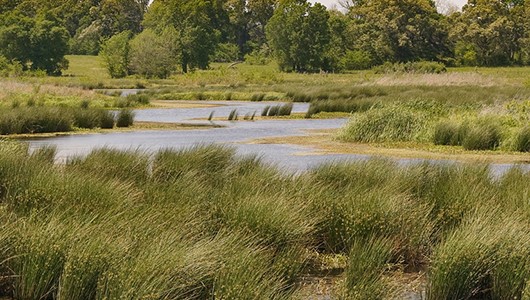
Wetland Restoration
Restoring wet habitat like streams, wetlands, and meadows benefits all of the animals who need clean water to survive and thrive.
2 minute video

Find Your Local Service Center
USDA Service Centers are locations where you can connect with Farm Service Agency, Natural Resources Conservation Service, or Rural Development employees for your business needs. Select your state and county below to find your local service center and agency offices.
Looking for something else?
- Use the FSA Office Locator to book an appointment or contact your local FSA Farm Loan or Farm Program office.
- Learn more about Urban Service Centers.
- Find an NRCS Conservation District Partners location.
- Visit the Risk Management Agency website to find a regional or compliance office or an insurance agent near you.